Enhancing Mental Health Care: Telehealth Psychiatrists in Suburban Areas
11/27/2024
by: Leigh
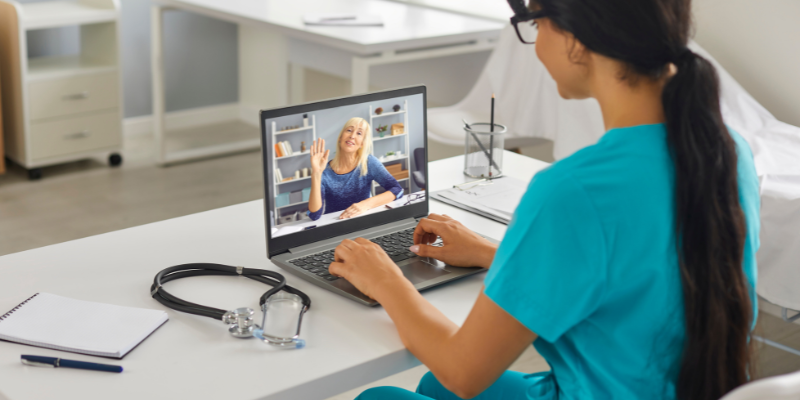
Mental health care is a critical need across all communities, but suburban areas face unique challenges that can make accessing these services more difficult. Suburban residents often experience a paradox of isolation despite living in densely populated areas. The availability of specialized mental health care providers in these regions is often limited, leading to longer wait times and greater distances to travel for in-person appointments. Additionally, there is a stigma attached to seeking mental health treatment, particularly in suburban communities where privacy is valued, and the visibility of seeking help can be higher.
With these barriers in place, many individuals in suburban areas may go without the mental health care they need, leading to worsening conditions and a lower quality of life. However, the rise of telehealth psychiatrists offers a promising solution by providing accessible, convenient, and confidential mental health care directly to patients in their homes. This approach has the potential to overcome many of the barriers that have traditionally limited access to mental health services in suburban areas.
What Mental Health Challenges Are Unique to Suburban Areas?
Suburban communities face a unique set of mental health challenges that differ from those in urban or rural settings. One of the primary challenges is the relative scarcity of mental health care providers, particularly specialists such as psychiatrists. This can lead to longer wait times for appointments, forcing individuals to either delay treatment or travel long distances to seek care elsewhere.
Isolation is another significant challenge. Despite living in densely populated neighborhoods, many suburban residents experience a sense of loneliness and disconnection, which can contribute to mental health issues such as depression and anxiety. The lack of social interaction and community engagement opportunities in suburban areas can exacerbate these feelings, making it more difficult for individuals to seek help.
Moreover, the stigma associated with mental health issues in suburban areas can be particularly strong. In close-knit suburban communities, where privacy is often highly valued, individuals may be reluctant to seek help for fear of being judged or ostracized. This stigma can prevent people from accessing the care they need, leading to untreated mental health conditions and a decline in overall well-being. For those seeking recovery from mental health or substance abuse issues, exploring resources like "halfway houses near me" can provide essential support while maintaining a level of privacy that might not be available in traditional treatment settings.
What Are the Main Barriers to Telehealth in Suburban Areas, and How Can They Be Addressed?
While telehealth psychiatry offers numerous benefits, its implementation in suburban areas is not without challenges. One of the main barriers is the digital divide, particularly in terms of access to reliable, high-speed internet. While many suburban areas have better internet infrastructure than rural regions, there are still pockets where broadband access is limited or inconsistent. This can hinder the ability of residents to engage in telehealth sessions, especially those that require video conferencing.
Digital literacy is another barrier. Not all individuals are comfortable or familiar with using technology for health care, particularly older adults who may not be as adept with smartphones or computers. Without proper support and education, these individuals may struggle to access telehealth services effectively.
Privacy and confidentiality concerns also pose significant challenges. Patients may worry about the security of their personal health information when using telehealth platforms, especially if they are not well-versed in how these systems protect data. Ensuring that telehealth services comply with strict privacy regulations and educating patients about the security measures in place can help alleviate these concerns.
To address these barriers, a multi-faceted approach is needed. Expanding broadband infrastructure in underserved suburban areas can improve access to reliable internet, making telehealth a more viable option for all residents. Offering digital literacy programs and technical support can help individuals become more comfortable with using telehealth services. Additionally, telehealth providers should prioritize transparency about their privacy practices and actively communicate the steps they take to protect patient information.
How Does Telehealth Psychiatry Enhance Access to Care in Suburban Communities?
Telehealth psychiatry significantly enhances access to mental health care in suburban communities by eliminating many of the logistical challenges associated with traditional in-person care. One of the most notable benefits is the reduction in travel time and distance. In suburban areas where mental health providers may be few and far between, patients often have to commute long distances to receive care. Telehealth allows these individuals to access mental health services from the comfort of their homes, saving time and reducing the stress associated with travel.
Flexibility is another key advantage of telehealth psychiatry and family psychologists. Many telehealth platforms offer extended hours, including evenings and weekends, allowing patients to schedule appointments at times that are convenient for them. This flexibility is particularly beneficial for individuals with busy work schedules or family responsibilities, who might otherwise struggle to find time for mental health care.
Telehealth also reduces wait times for appointments, which is a significant issue in many suburban areas where demand for mental health services often outstrips supply. With telehealth, patients can often secure appointments more quickly, leading to more timely interventions and better health outcomes.
Moreover, telehealth offers a level of privacy and anonymity that can be particularly appealing to individuals in suburban communities where stigma around mental health issues may be strong. By allowing patients to receive care from their own homes, telehealth reduces the visibility of seeking treatment, which can encourage more people to take the first step toward getting help. For those also struggling with substance abuse, the combination of telehealth and resources like "AA meetings near me" can provide a comprehensive support system, allowing individuals to address both their mental health and addiction challenges in a private and accessible manner.
How Do Telehealth Psychiatrists Maintain Treatment Quality and Patient Rapport Remotely?
Maintaining the quality of care and building strong patient rapport are critical components of effective mental health treatment, and telehealth psychiatrists have developed strategies to ensure these elements are upheld in a virtual setting. Video conferencing technology allows for face-to-face interaction, which is essential for building trust and establishing a therapeutic relationship. Psychiatrists use active listening techniques, clear communication, and empathy to connect with patients, just as they would in an in-person session.
Telehealth psychiatrists often conduct comprehensive assessments during initial consultations to understand the patient's needs, concerns, and treatment goals. This thorough approach helps in creating a personalized treatment plan that addresses the unique challenges faced by each patient. Regular follow-up appointments and ongoing communication through secure messaging platforms ensure that patients receive continuous support, helping to maintain the effectiveness of the treatment.
In addition, telehealth allows for more frequent check-ins with patients, which can be particularly beneficial for those who require close monitoring. This increased contact can lead to earlier identification of potential issues and more timely adjustments to the treatment plan. The convenience of telehealth also makes it easier for patients to reach out for support from family psychologists when they need it, which can contribute to better adherence to treatment and improved outcomes.
Telehealth psychiatrists also prioritize patient education, ensuring that individuals understand their treatment plan and the tools available to them. By empowering patients with knowledge and resources, telehealth psychiatrists help them take an active role in their own care, which is essential for long-term success. Additionally, patients can be guided to explore complementary resources, such as "treatment centers near me," to support their overall recovery journey, combining the convenience of telehealth with the comprehensive services offered by local facilities.
What Technologies Support the Effectiveness and Security of Telehealth Psychiatry?
The effectiveness and security of telehealth psychiatry are supported by a range of advanced technologies that ensure seamless communication and protect patient privacy. High-definition video conferencing platforms are at the core of telehealth services, allowing for real-time interaction between patients and psychiatrists. These platforms are designed to be user-friendly, ensuring that patients can easily connect with their providers regardless of their level of technical expertise.
Secure messaging systems enable ongoing communication between appointments, allowing patients to ask questions, report symptoms, or seek advice from their psychiatrists without needing to wait for their next session. These systems are encrypted to protect patient information, ensuring that sensitive data remains confidential.
Electronic Health Records (EHR) integrated with telehealth platforms streamline the documentation and sharing of patient information. Psychiatrists can quickly access a patient's medical history, treatment notes, and progress reports, enabling them to provide informed care during telehealth sessions. EHR systems also facilitate collaboration between different healthcare providers, ensuring that patients receive comprehensive and coordinated care.
To address privacy concerns, telehealth platforms are equipped with robust security measures, including end-to-end encryption, multi-factor authentication, and compliance with regulations such as the Health Insurance Portability and Accountability Act (HIPAA). These technologies ensure that patient data is protected at all times, giving patients confidence in the security of their telehealth sessions.
Telehealth Psychiatrists – A Vital Resource for Suburban Mental Health
Telehealth psychiatry is revolutionizing mental health care in suburban areas, addressing the unique challenges these communities face and providing a convenient, effective, and secure option for those in need of support. By overcoming barriers related to access, stigma, and technology, telehealth psychiatrists are making mental health care more accessible and ensuring that residents of suburban areas can receive the high-quality care they deserve. As the adoption of telehealth continues to grow, it is essential to address ongoing challenges and continue improving the services available to ensure that all individuals can benefit from this transformative approach to mental health care.
If you or someone you know is struggling with an eating disorder, seeking professional help is a crucial step towards recovery. Finding the right support can make all the difference. Use therapist.org, a free therapist directory in the US, to find "therapists near me" and get the help you need. You can also call (888) 614-7726 to learn more and get connected with a therapist who understands your needs. Don't wait – take the first step towards a healthier future today.