Expert Tips from Anxiety Therapists on Managing Your Caffeine Intake
08/15/2024
by: Pamela
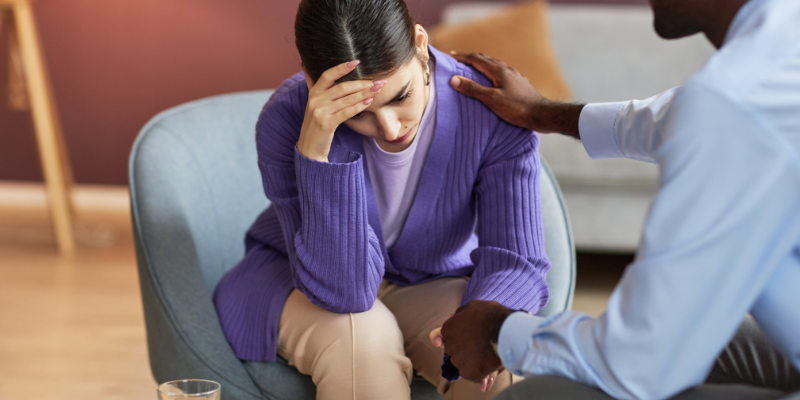
Anxiety disorders affect millions of people worldwide, characterized by persistent worry, fear, and unease. These disorders can significantly impact daily life, leading to challenges in work, relationships, and overall well-being. A commonly overlooked factor in managing anxiety is dietary habits, particularly caffeine consumption. This article explores the relationship between caffeine and anxiety, drawing insights from anxiety therapists to provide a clearer understanding of how caffeine impacts anxiety and how therapy can address this issue.
What is Caffeine and Its Effects on Anxiety?
Caffeine is a natural stimulant found in coffee, tea, chocolate, and various energy drinks and medications. It works by blocking adenosine receptors in the brain, which helps to reduce fatigue and increase alertness. While moderate caffeine consumption can enhance cognitive performance and mood, excessive intake can lead to negative effects.
Caffeine can trigger physiological responses such as increased heart rate, sweating, and heightened alertness, which can mimic or exacerbate symptoms of anxiety. For some individuals, this can lead to heightened anxious thoughts and feelings, making it difficult to distinguish between normal stress and anxiety exacerbated by caffeine.
Numerous studies have investigated the link between caffeine and anxiety. Research indicates that high doses of caffeine can contribute to increased anxiety levels, particularly in individuals who are already prone to anxiety disorders. However, responses to caffeine can vary widely among individuals, with some experiencing significant anxiety symptoms even at lower doses. For those also managing substance use issues, finding resources such as “AA meetings near me” can offer additional support in addressing both anxiety and substance-related challenges.
What is the Correlation between Anxiety and Caffeine?
The relationship between caffeine and anxiety is complex and involves interactions with neurotransmitters such as serotonin and dopamine. Caffeine can increase cortisol levels, the hormone associated with stress, which may amplify feelings of anxiety. Additionally, caffeine can disrupt sleep patterns, further contributing to anxiety.
Individual differences play a crucial role in how caffeine affects anxiety. Genetic factors, such as variations in genes related to caffeine metabolism, can influence how one's body processes caffeine. People with pre-existing mental health conditions may also be more sensitive to the anxiety-inducing effects of caffeine.
Sensitivity to caffeine varies from person to person. Factors like genetic predisposition, tolerance levels, and metabolic rate can affect how caffeine impacts an individual's anxiety levels. Understanding one's own sensitivity can help in managing and mitigating these effects.
What is the Role of Anxiety Therapists?
Anxiety therapists play a vital role in helping clients understand the connection between their caffeine consumption and anxiety symptoms. Therapists often use intake assessments, self-report questionnaires, and behavioral observations to identify patterns of caffeine use and its potential impact on anxiety.
Therapists may recommend reducing caffeine intake as part of a comprehensive approach to managing anxiety. Cognitive-behavioral strategies, such as identifying and challenging anxious thoughts related to caffeine consumption, can help clients manage their anxiety more effectively. Additionally, therapists may suggest alternative strategies for managing energy and alertness without relying on caffeine.
Numerous clients have reported improvements in their anxiety symptoms after reducing or eliminating caffeine from their diet. Case studies have shown that a decrease in caffeine intake can lead to better sleep, reduced physiological arousal, and overall improved anxiety management.
These success stories highlight the potential benefits of addressing caffeine consumption in therapy. For those in transitional phases seeking additional support, exploring resources such as ‘halfway houses near me” may also provide valuable assistance during recovery.
What are the Practical Advice and Recommendations towards Caffeine Intake?
For those looking to reduce their caffeine consumption, it’s important to do so gradually to minimize withdrawal symptoms. Switching to lower-caffeine alternatives, such as herbal teas, and incorporating more water into one's diet can help ease the transition. Establishing regular sleep patterns and engaging in other energy-boosting activities can also support this process.
Self-Monitoring Techniques
Keeping a journal of caffeine intake and anxiety levels can help individuals identify patterns and triggers. Monitoring how changes in caffeine consumption affect anxiety symptoms can provide valuable insights and guide further adjustments.
Seeking Professional Help
If anxiety symptoms persist despite changes in caffeine consumption, seeking help from an anxiety therapist may be beneficial. Therapists can offer personalized guidance and develop a treatment plan that addresses both caffeine-related issues and broader anxiety management strategies. Additionally, exploring “treatment centers near me” can provide further support and resources for comprehensive care..
Caffeine’s Impact on Anxiety: Strategies for a Balanced Approach with the help of Anxiety Therapists
The relationship between caffeine and anxiety is intricate, involving both physiological and psychological factors. By understanding how caffeine affects anxiety and utilizing the insights of anxiety therapists, individuals can take informed steps to manage their anxiety more effectively. Reducing caffeine intake and seeking professional support can lead to significant improvements in overall well-being and quality of life.
If you or someone you know is struggling with an eating disorder, seeking professional help is a crucial step towards recovery. Finding the right support can make all the difference. Use therapist.org, a free therapist directory in the US, to find "therapists near me" and get the help you need. You can also call (888) 614-7726 to learn more and get connected with a therapist who understands your needs. Don't wait – take the first step towards a healthier future today.